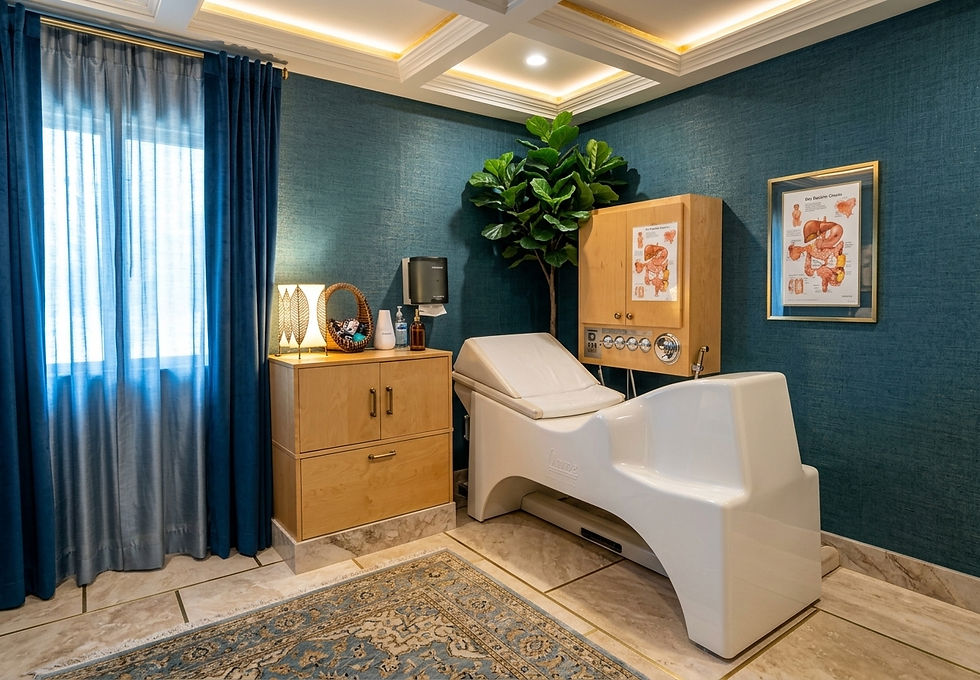
Understanding the Benefits of Colonics for Digestive Wellness


Curious about colon hydrotherapy in Charlotte, NC? Colonics, also known as colonic irrigation, are wellness services that use water to flush waste from the colon. Some people explore colon hydrotherapy as part of a personal wellness routine, particularly when they are interested in digestive comfort and greater awareness of their bowel habits.
At Serene WellSpa in Charlotte, we believe informed wellness decisions start with understanding both the potential experiences and the limitations of a service. Although some people report feeling lighter or less full after a session, scientific evidence does not establish colonics as a treatment for constipation, bloating, or detoxification.
In this guide, we'll explore why people seek colon hydrotherapy, everyday habits that support digestive health, and important safety considerations to understand before scheduling a session.
People often seek colonics for reasons such as:
Occasional constipation
Bloating or sluggish digestion
A desire to feel lighter before starting healthier habits
Interest in body awareness and digestive hygiene
Support during a wellness routine, when appropriate
That said, some people report that colonics help them feel more comfortable, especially when used carefully and not as a substitute for medical care.
The most commonly reported digestive benefits
The benefits of colonics are often personal and can vary from one person to another. Some people notice a clear sense of relief after a session. The response depends on hydration, diet, bowel habits, stress, medications, health history, and the reason someone is seeking the treatment.
Colonics may help relieve occasional constipation
One of the most common reasons people try colonics is occasional constipation. When stool sits in the colon longer than usual, it can become dry and harder to pass. This can lead to bloating, straining, and abdominal discomfort.
A colonic uses water to help soften and move stool from the lower digestive tract. Some people feel relief after a session because the bowel has emptied more fully than it was able to on its own.
Frequent constipation can have many causes, including low fiber intake, dehydration, lack of movement, medication side effects, thyroid issues, pelvic floor problems, or digestive disorders.
Colonics can reduce the feeling of bloating
Bloating can come from trapped gas, slow digestion, constipation, food intolerances, hormonal changes, or gut sensitivity. When stool buildup contributes to pressure in the lower abdomen, clearing the bowel may reduce that full or tight feeling.
Some people describe feeling “lighter” after a colonic. This feeling may come from the release of stool and gas, as well as the relaxation that can happen during a quiet treatment session.
Still, bloating is not always caused by stool. If bloating is severe, frequent, or linked with weight loss, vomiting, blood in stool, fever, or intense pain, it should be checked by a medical professional. Colonics should not be used to cover up warning signs.
Colonics may support better body awareness
Many people move through the day without paying attention to digestion until something feels wrong. A colonic can make people more aware of how food, stress, hydration, and movement affect bowel habits.
This can be one of the more practical benefits. After a session, someone may start noticing patterns, such as:
Feeling better when drinking enough water
Having easier bowel movements after walking daily
Feeling bloated after certain foods
Experiencing constipation during stressful weeks
Needing more fiber from whole foods
This type of awareness can lead to better habits. The colonic itself is only one event. The real value may come from what someone learns and changes afterward.
Colonics work best when paired with daily digestive habits
A colonic is not a replacement for the basics. Digestive wellness is built between sessions, not only during them. The colon depends on regular meals, fiber, fluids, movement, and nervous system balance.

Fiber helps stool move more easily
Fiber adds bulk to stool and supports regular bowel movements. Many people do not get enough fiber each day. Whole foods are usually the best place to start.
Helpful fiber-rich foods include:
Oats and whole grains
Beans and lentils
Apples, berries, and pears
Leafy greens
Broccoli and carrots
Chia seeds and ground flaxseed
Nuts and seeds
It is best to increase fiber slowly. Adding too much too fast can lead to more gas and bloating. Water also matters, because fiber needs fluid to move comfortably through the digestive tract.
Hydration supports softer stool
The colon absorbs water from digested food. When fluid intake is low, stool can become dry and harder to pass. Drinking water throughout the day can make bowel movements easier.
Some people expect colonics to fix digestive issues while staying dehydrated. That is not realistic. If dehydration is part of the problem, the body needs regular fluid intake, not only a one-time treatment.
Water, herbal teas, soups, water-rich fruits, and vegetables can all help support hydration.
Movement helps stimulate the gut
Physical activity encourages natural intestinal movement. Even a daily walk can help digestion. Movement also supports stress management, which matters because the gut and nervous system are closely connected.
For people who sit for long periods, adding light movement after meals may help reduce sluggishness. Stretching, walking, yoga, and gentle core work can all support digestive comfort.
Stress can slow or speed digestion
The gut responds to stress. Some people get constipated during stressful periods. Others experience urgent bowel movements or diarrhea. The body’s stress response can change how quickly food moves through the digestive tract.
Relaxation habits may help, including:
Slow breathing
Gentle stretching
Warm baths
Consistent sleep
Time away from screens before bed
Calm meals without rushing
A colonic may feel relaxing to some people, but long-term digestive wellness often needs broader stress support.
Safety matters before, during, and after a session
Colonics are not appropriate for everyone. Some people should avoid them unless a medical professional says otherwise.
People should be especially cautious if they have:
Inflammatory bowel disease, such as Crohn’s disease or ulcerative colitis
Diverticulitis or severe diverticular disease
Recent colon or abdominal surgery
Severe hemorrhoids or rectal bleeding
Heart disease or kidney disease
Uncontrolled high blood pressure
A history of bowel perforation
Pregnancy
Active infection, fever, or severe abdominal pain
Choosing a qualified practitioner and a clean facility matters. Equipment should be properly sanitized or disposable where appropriate. The practitioner should be willing to discuss health history, explain the process, and stop the session if discomfort becomes concerning.
A professional setting should feel respectful, private, and hygienic. If a provider pressures someone, makes unrealistic health claims, or dismisses medical concerns, that is a reason to leave.
Ready to learn more? Visit www.serenewellspa.com or call 704-659-5444.